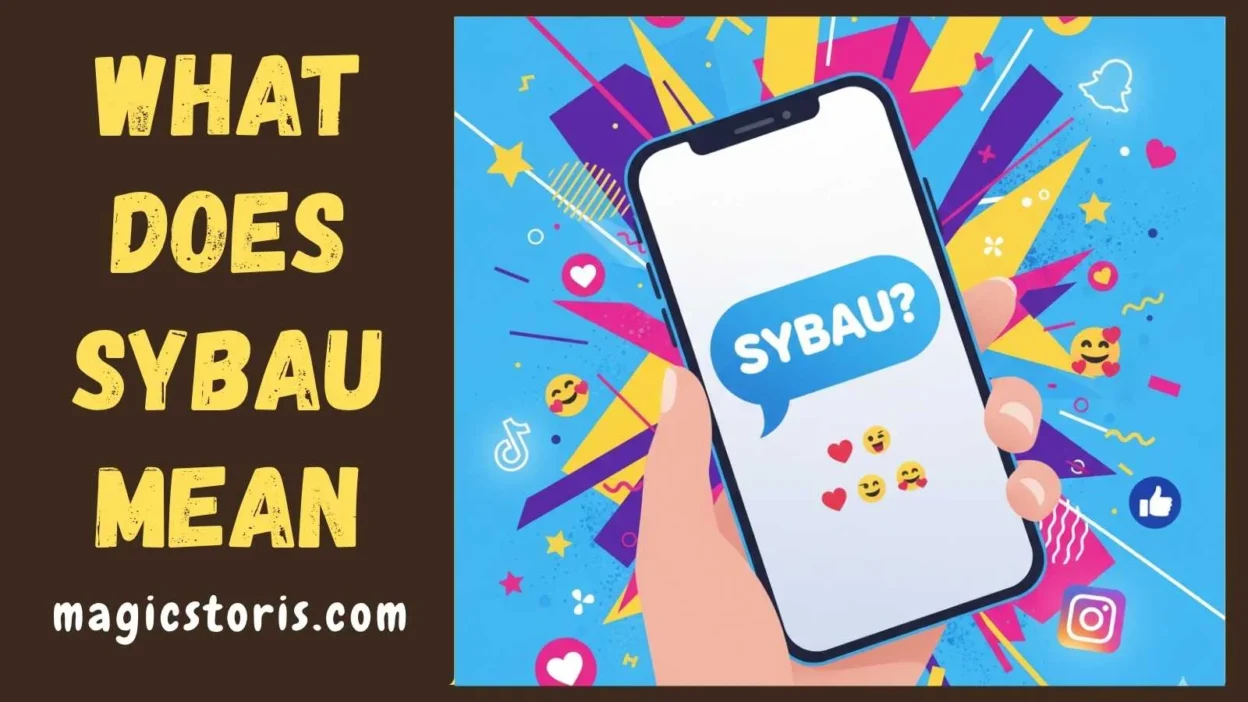
If you’ve ever seen “SYBAU” pop up in a text, TikTok comment, or gaming chat and thought, “What on earth does that mean?”, you’re not alone.
This slang acronym has recently become common among teens and gamers — and it’s confusing many parents, teachers, and adults.
⚡ Quick Answer:
SYBAU stands for “Shut Your B** A** Up.”**
It’s a rude or playful phrase, depending on context, used to tell someone to stop talking, bragging, or complaining. While it might sound harsh, many people use it jokingly with friends. However, it’s not appropriate in professional or formal settings.
In today’s world of fast-moving online slang, staying aware of these terms helps parents and educators better understand digital communication — and spot potentially inappropriate language early.
In this guide, you’ll learn what SYBAU means, where it came from, how it’s used, when it’s offensive, and how to respond safely and smartly.
Definition & Meaning
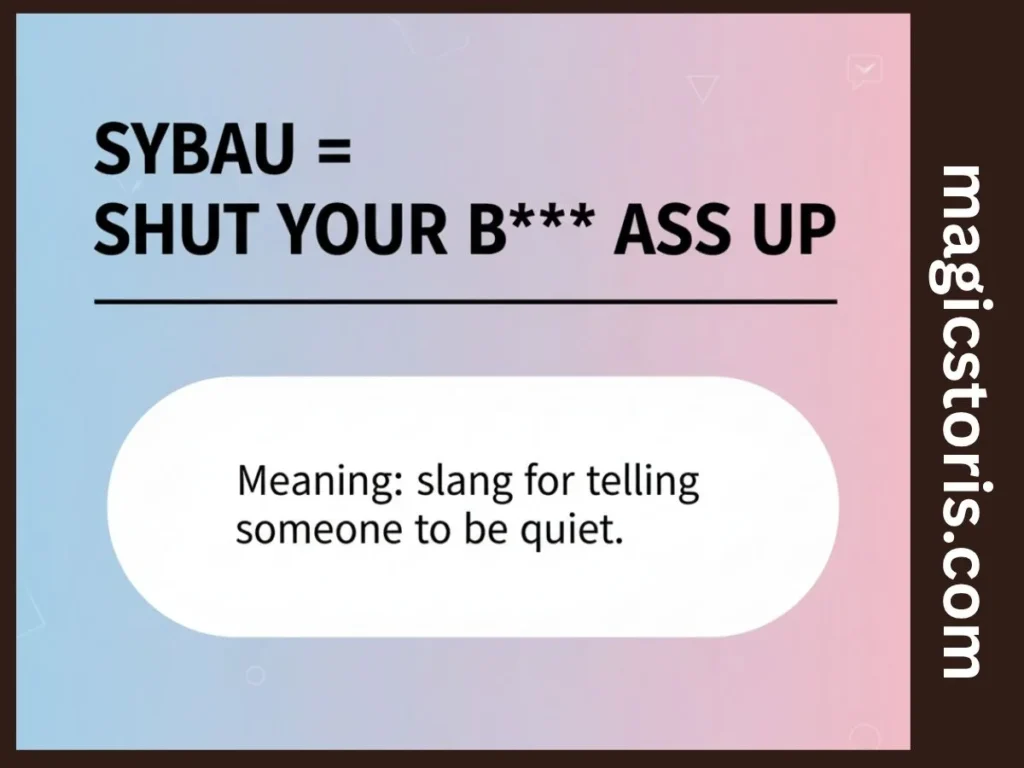
SYBAU stands for “Shut Your B** A** Up.”**
It’s an internet slang abbreviation used to silence or mock someone — often in a sarcastic or competitive tone.
While the full phrase is vulgar, many users employ it casually among friends or in memes.
Example (friendly banter):
- A: “You just got lucky that round.”
- B: “Bro, SYBAU 😆”
Here, it’s playful trash talk, not meant to offend.
However, if used in an argument or against strangers, it quickly turns disrespectful.
Quick breakdown:
- Meaning: Shut Your [Expletive] A** Up
- Type: Acronym / Internet slang
- Tone: Ranges from joking to rude
- Used On: TikTok, Discord, Snapchat, Reddit, Gaming chats
Because tone can’t be read through text, misunderstandings are common. Parents should remember that teens often use such phrases to sound cool or funny — not necessarily aggressive.
Still, it’s best to discourage frequent use due to its explicit wording.
Background & History
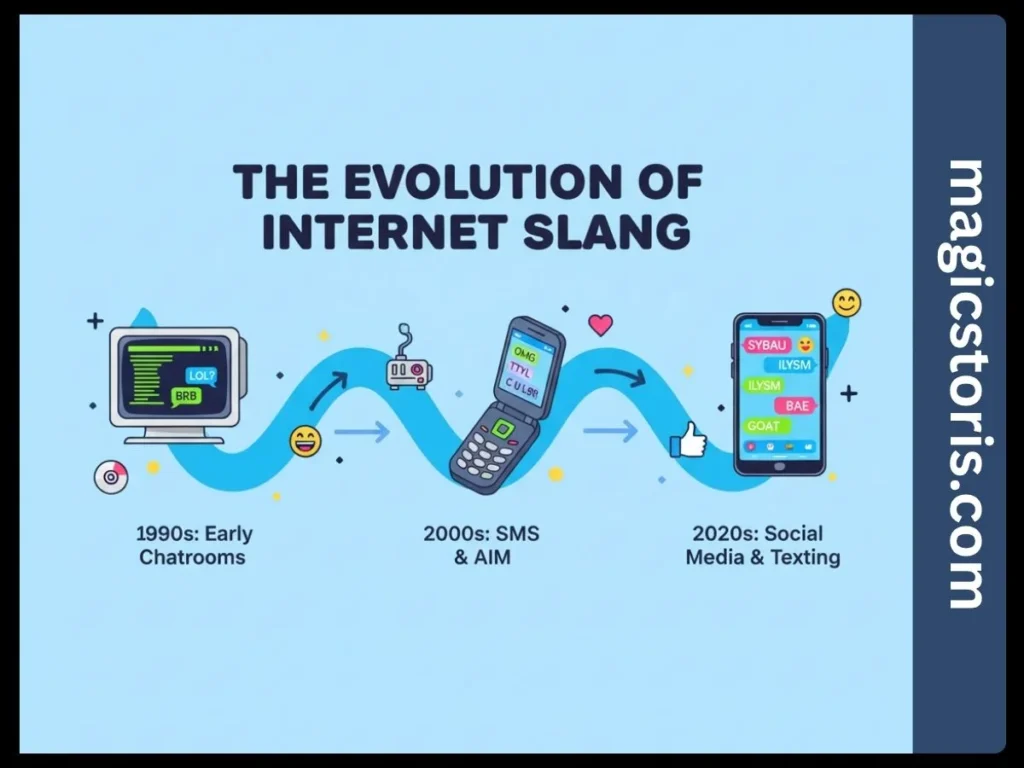
The phrase “Shut your b**** a** up” existed long before the internet — as a street expression of irritation or dominance. But its acronym, SYBAU, emerged online around 2020–2021, during the rise of TikTok memes and gaming chat lingo.
It gained popularity as users began shortening offensive phrases to avoid content filters and sound trendy. Soon, SYBAU became a reaction comment under videos or tweets where someone was being overly dramatic or boastful.
For example:
“She really said she’s the best dancer 💀 SYBAU 😂”
By 2022, SYBAU had entries on Urban Dictionary, showing its dual nature — offensive yet commonly used in casual online circles.
Like STFU (Shut The F* Up)**, SYBAU spread fast in Gen Z communities. However, it feels more personal and aggressive, since it singles out a person rather than a situation.
Usage in Various Contexts
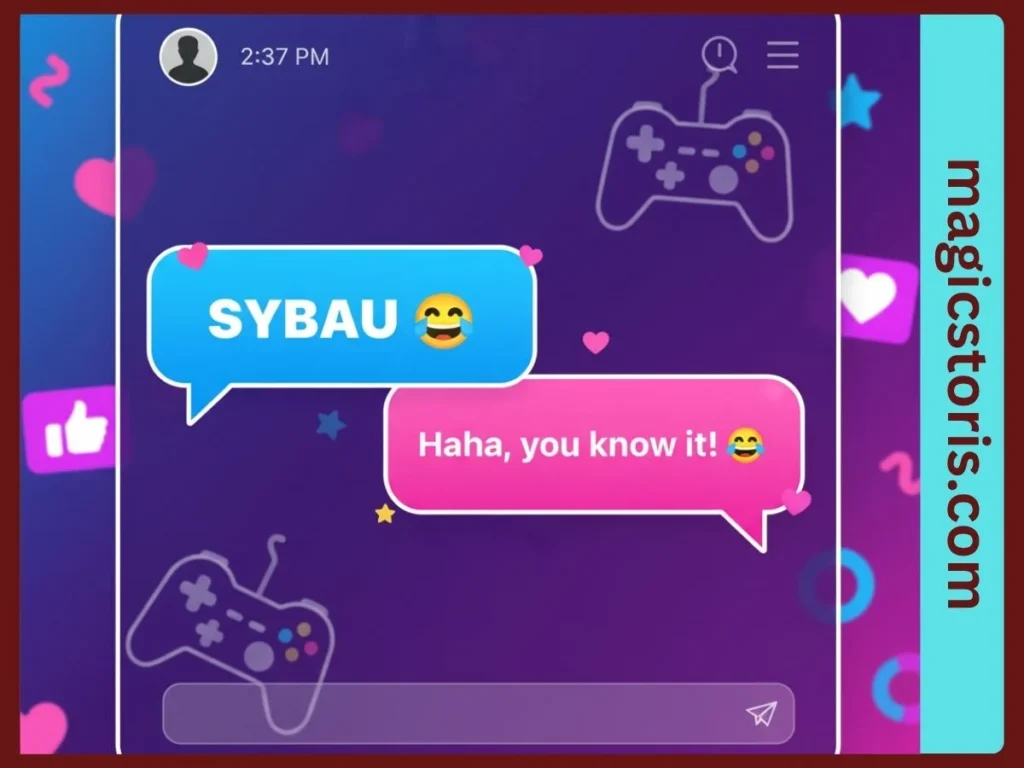
SYBAU’s meaning changes slightly depending on where and how it’s used.
1. In Text Messages
Used mostly between friends teasing each other.
- A: “You missed that shot again!”
- B: “SYBAU 😂”
2. On Social Media
Commenters often use SYBAU to mock exaggerated posts or clickbait.
“Main character syndrome 💀 SYBAU.”
3. In Gaming
Gamers throw “SYBAU” as part of trash talk, especially after a win.
“Easy game, SYBAU next round.”
Still, many gaming servers discourage such phrases for being too hostile.
4. Spoken Language
When said aloud, people sometimes censor it or joke about it.
“SYBAU — kidding, don’t ban me 😂”
Tone Summary:
| Context | Meaning | Tone |
| Friendly chat | Playful teasing | 😄 Light-hearted |
| Gaming | Competitive | ⚔️ Rude/Fun |
| Social media | Mocking | 😬 Sarcastic |
| Argument | Insulting | 🚫 Offensive |
Common Misconceptions & Clarifications
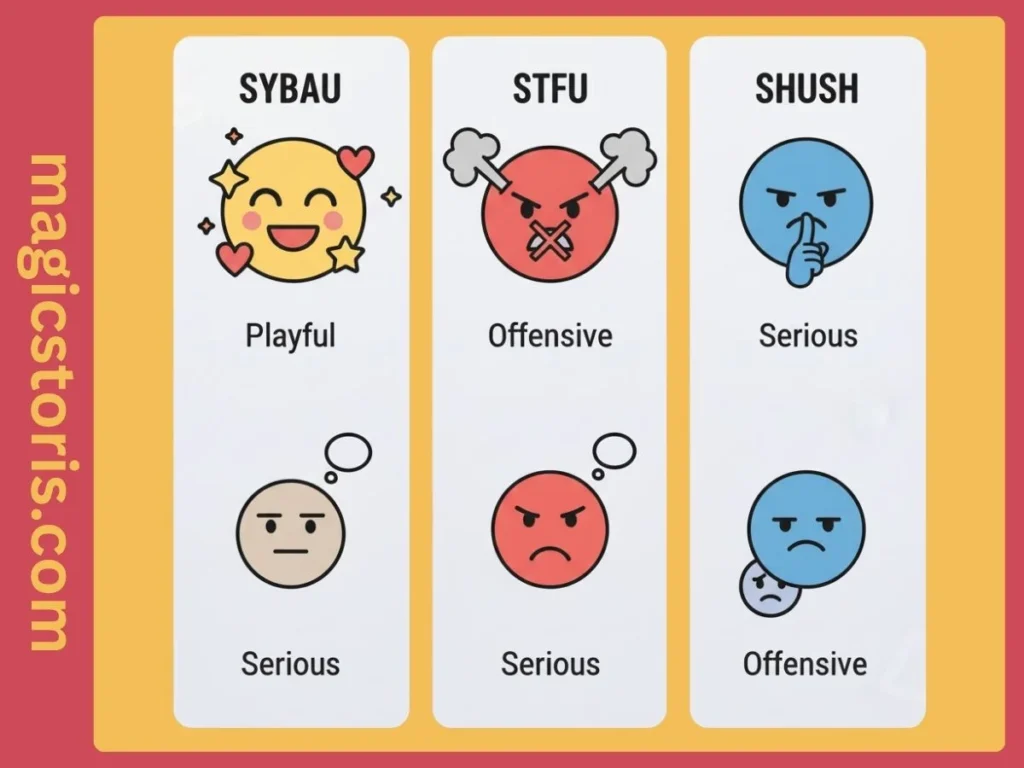
- “SYBAU isn’t offensive.”
❌ False. It includes strong language and is censored on many platforms. - “It’s the same as STFU.”
⚠️ Not exactly — SYBAU feels more personal and aggressive. - “Everyone uses it.”
❌ Mostly popular among teens and gamers — not universal. - “It’s just a meme.”
✅ Sometimes, yes. But outside close friend groups, it can come across as bullying or disrespect.
Parents should see SYBAU as a social signal, not just a word — it shows how online youth culture blends humor with mild aggression.
Similar Terms & Alternatives
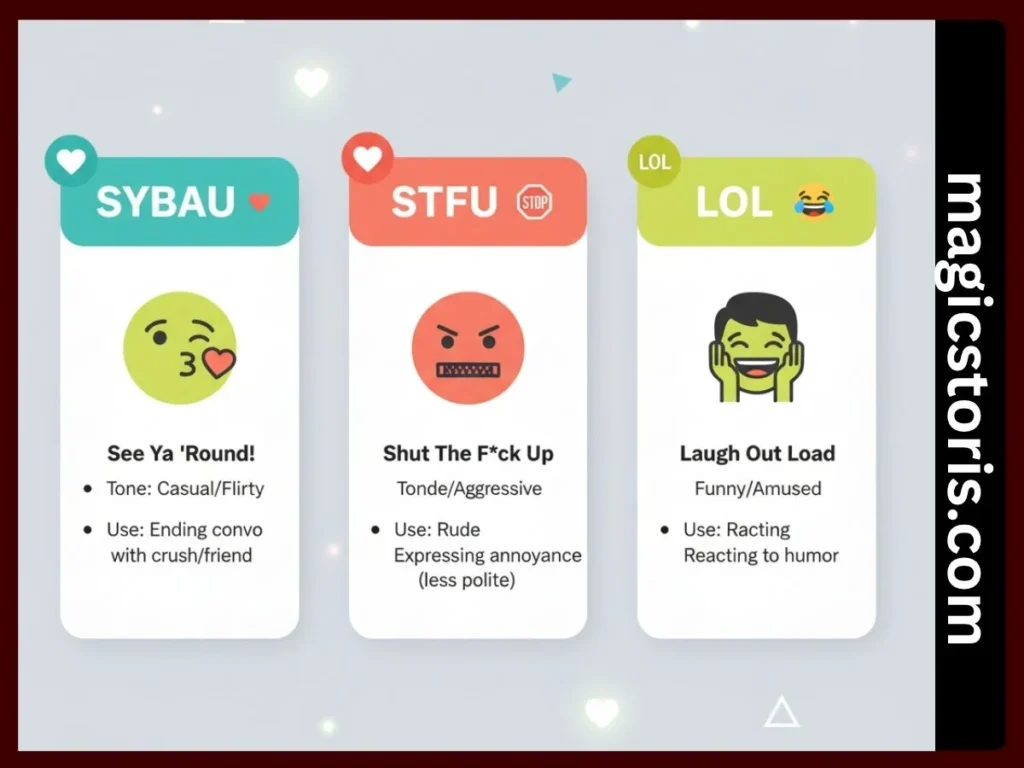
Here’s how SYBAU compares to similar slang terms:
| Term | Full Form | Tone | Suitable? |
| SYBAU | Shut Your [Expletive] A** Up | Harsh | ❌ No |
| STFU | Shut The F*** Up | Slightly less personal | ⚠️ Rarely |
| Chill out | — | Friendly | ✅ Yes |
| Calm down | — | Neutral | ✅ Yes |
| Bruh stop | — | Funny | ✅ Yes |
When in doubt, choose polite alternatives — especially in mixed or public conversations.
Parent Tip: Encourage kids to replace harsh slang with humor. For example, instead of SYBAU, say:
“Okay, Mr. Dramatic 😅” or “Bruh, chill, it’s not that deep.”
How to Respond to SYBAU
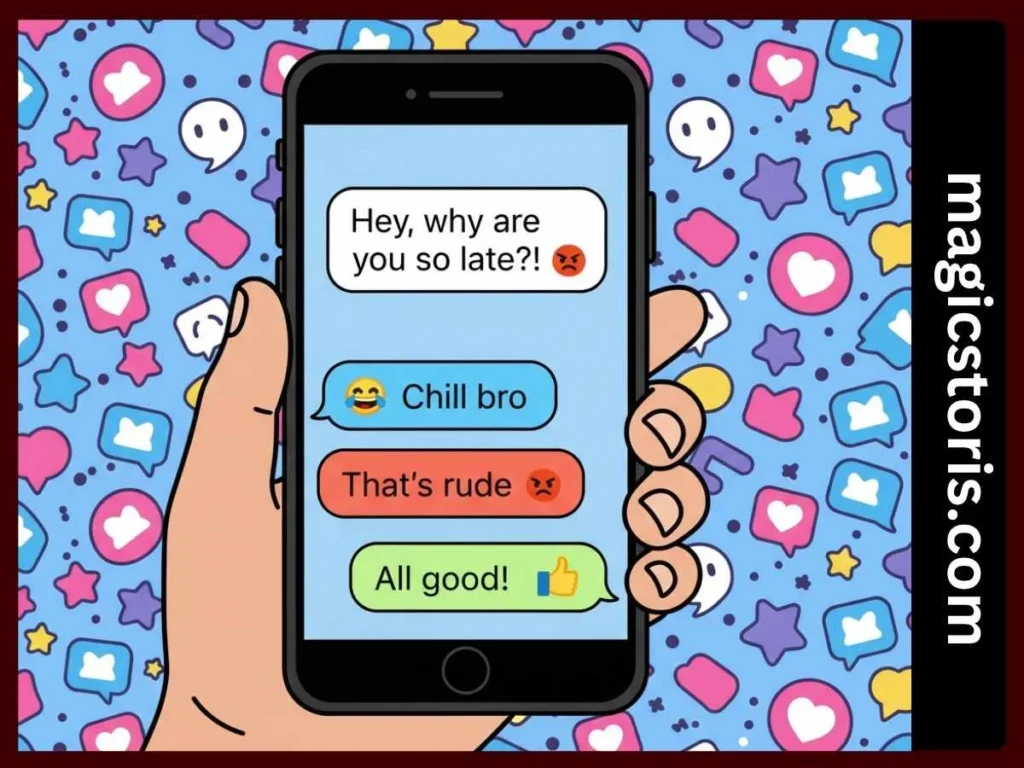
If someone tells you “SYBAU,” your response depends on the tone.
1. Friendly Tone
- “Alright, alright 😂”
- “Haha, okay chill.”
2. Sarcastic Tone
- “That’s rude, but okay 😏”
- “Wow, who hurt you?”
3. Professional Setting
- “Let’s stay respectful, please.”
- “Language, please.”
4. Uncomfortable Situation
If it feels aggressive or targeted, it’s best to ignore, report, or block the user.
Regional or Cultural Differences
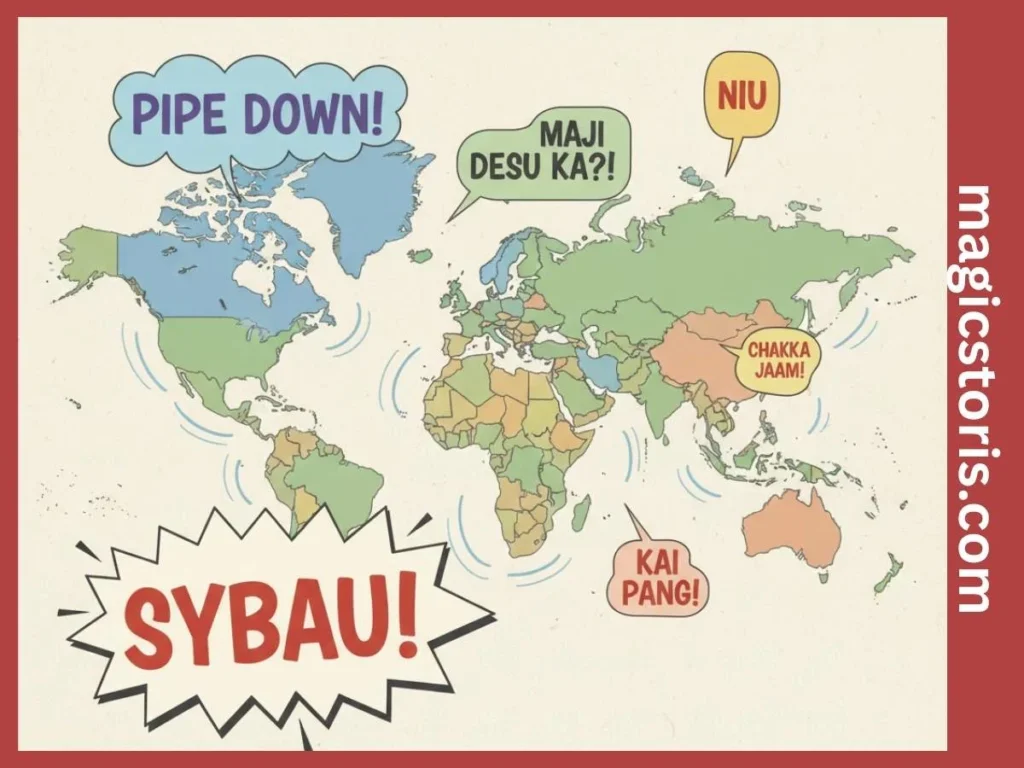
In the US and UK, SYBAU is common in online slang and meme culture.
- In South Asia and the Philippines, it sometimes appears in meme captions — often without full awareness of its meaning.
- Non-native English speakers may think it’s a funny phrase without realizing it’s offensive.
This is why context and education matter. Parents should gently explain what the term means, instead of reacting harshly.
Usage in Online Communities & Dating Apps
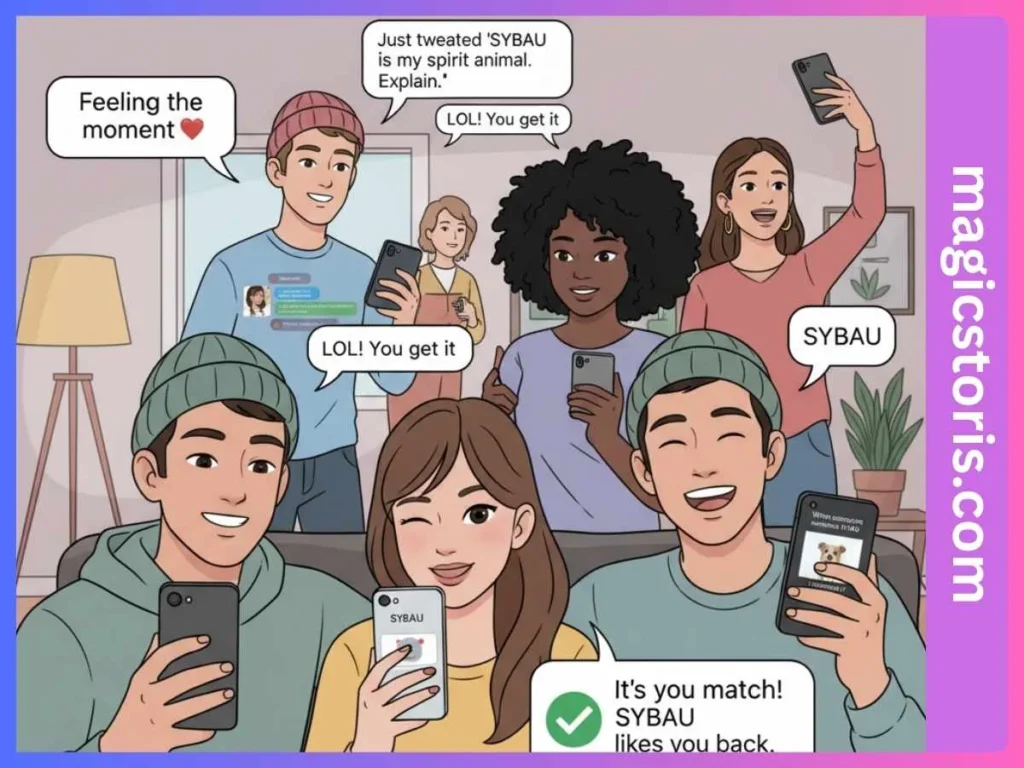
On Twitter, Reddit, and TikTok, SYBAU is used as a quick comeback to bold opinions.
On Discord and gaming chats, it’s part of the playful yet harsh slang culture.
On dating apps, SYBAU occasionally appears in bios like:
“Flirt level: SYBAU energy 😉”
That’s meant humorously — but it’s best avoided in serious or professional dating profiles.
Hidden or Offensive Meanings
SYBAU doesn’t have hidden meanings, but its explicit tone makes it offensive in most formal or public spaces.
Because tone is lost online, people often misinterpret it — leading to arguments or account warnings.
Social media moderation systems like TikTok’s filters and Discord’s auto-ban bots sometimes flag or censor SYBAU automatically.
So while it might look harmless in memes, it’s wise to think twice before typing it.
Suitability for Professional Communication
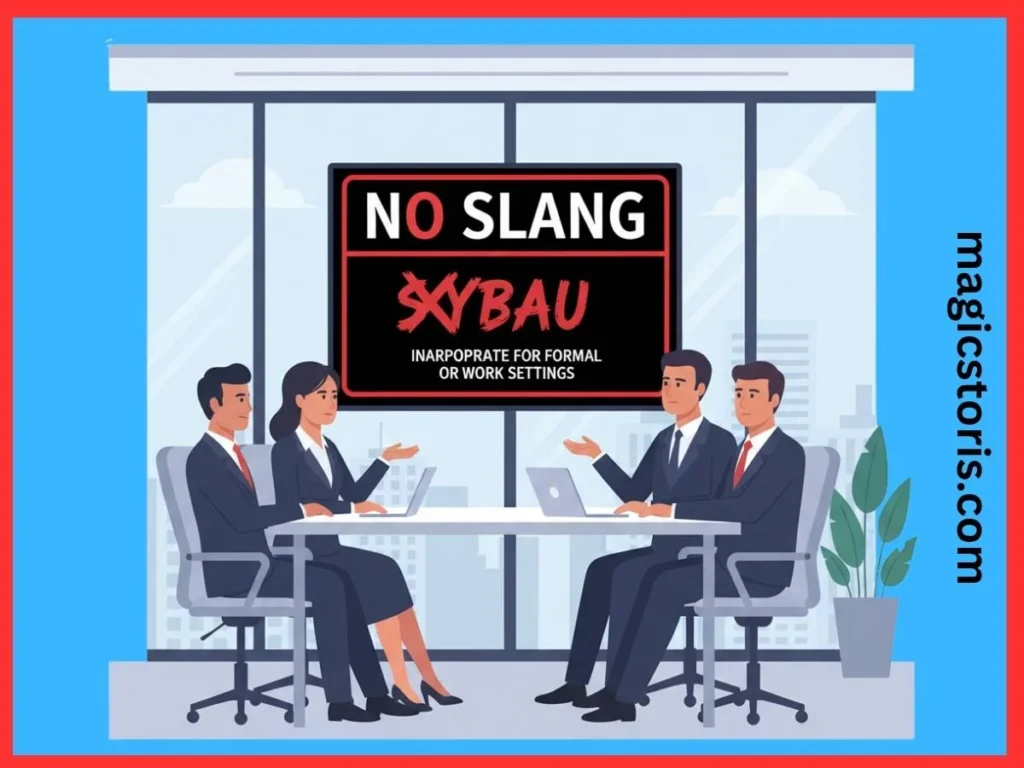
SYBAU should never appear in workplaces, classrooms, or formal chats. It’s unprofessional and disrespectful.
If someone’s being pushy or argumentative at work, try phrases like:
- “Let’s take a break from this.”
- “Can we continue calmly?”
- “I think we’re talking past each other.”
In professional environments, clear, calm communication always wins over slang or sarcasm.
FAQs
1. Is SYBAU a bad word?
Yes. It’s considered rude and inappropriate in formal settings.
2. What does SYBAU stand for?
“Shut Your B**** A** Up.”
3. Is SYBAU used seriously?
Usually not — it’s often meant as a joke, but it still contains profanity.
4. Can I use SYBAU with friends?
Only if you’re sure they won’t be offended.
5. Where did SYBAU come from?
It spread through TikTok and gaming chats around 2021.
6. What are clean alternatives?
“Calm down,” “Stop teasing,” “Take a breath,” or “Bruh, relax.”
Conclusion
The slang term SYBAU may sound funny or confusing, but it reflects how quickly digital language evolves.
For parents and educators, understanding such acronyms helps keep up with youth communication — without judgment.
SYBAU is mostly used jokingly among friends, yet it’s still rude and not suitable for formal use.
By recognizing and discussing these terms calmly, adults can bridge the generational gap in online communication and promote respectful digital behavior.
Next time you spot “SYBAU” online, you’ll know exactly what it means — and when to scroll past it.

I am Beatrix Potter, a storyteller who loves bringing the wonders of nature, imagination, and gentle magic to life. Through my stories, I share worlds filled with curious animals, quiet countryside adventures, and the kind of simple beauty that warms the heart. Here on magicstoris.com, I continue to inspire readers of all ages with tales that celebrate kindness, creativity, and the timeless joy of storytelling.