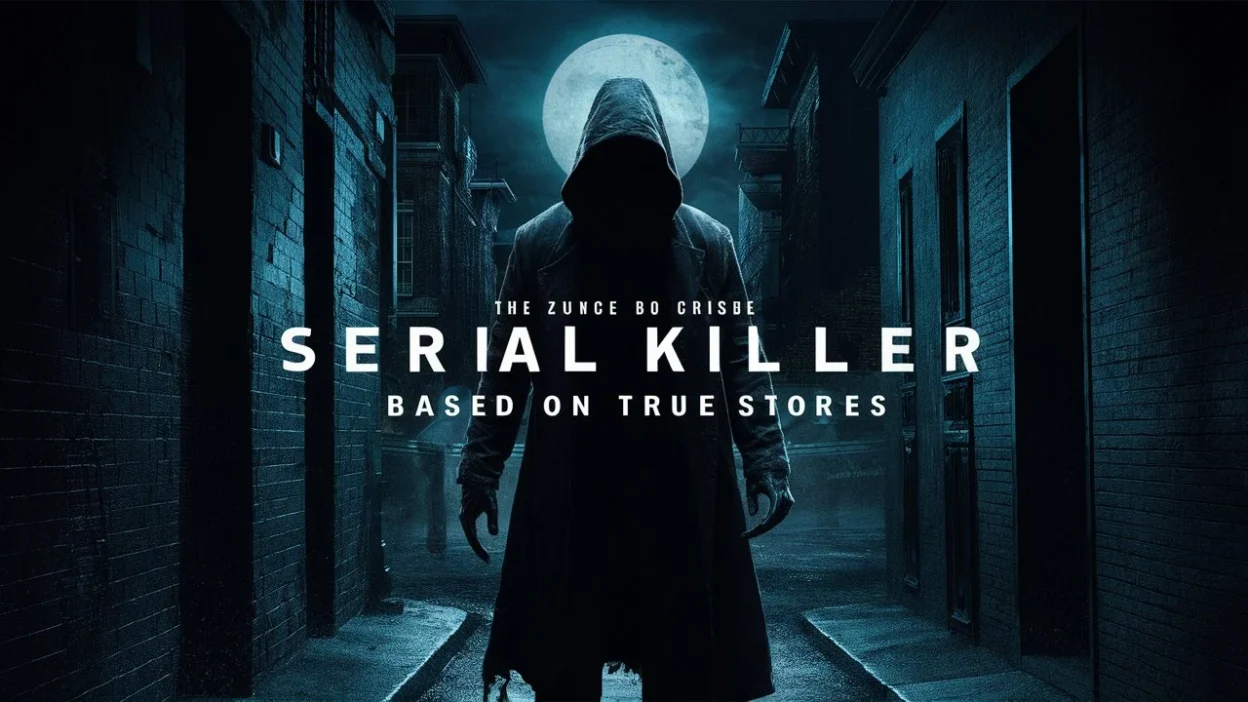
If you are someone who enjoys best serial killer movies based on true stories, these intense narratives are written especially for you. Adult audiences often turn to true-crime stories to understand fear, psychology, and justice—and to release hidden tension through storytelling. These stories are inspired by the chilling realism that made serial killer movies based on true stories so popular among mature readers, film lovers, and crime enthusiasts.
Each story dives into the human mind, emotional trauma, and moral consequences, offering a sense of closure and reflection. Written in a natural, human tone, these stories are easy to follow yet emotionally gripping, helping readers feel seen, understood, and mentally engaged while exploring the darker side of real-life crime storytelling.
The Basement Silence
The old house on Mercer Street was famous long before the police arrived. Neighbors whispered about strange smells, late-night noises, and a man who never smiled. Daniel Cross lived there alone, quiet and polite, the kind of person no one truly noticed. Years later, filmmakers would call his story one of the most disturbing serial killer movies based on true stories ever adapted.
Daniel worked as a maintenance supervisor, blending into routine life. But beneath his calm surface was a mind shaped by childhood abuse and years of isolation. He believed control was safety. In his basement, hidden behind soundproof walls, he recorded his thoughts, treating human lives like scenes from a twisted film. His crimes went unnoticed because he targeted people society had already forgotten.
A young journalist named Lena began investigating missing persons cases in the area. She noticed a pattern ignored by police reports. Her curiosity wasn’t driven by fame but by empathy. She imagined how these crimes might look if told honestly, without glamor. Her research mirrored the realism that audiences search for in serial killer movies based on true stories, where truth is more terrifying than fiction.
When Lena finally entered Daniel’s house under the pretense of an interview, she felt the weight of silence pressing in. The basement door was unlocked. Inside, she found recordings, journals, and evidence that ended years of mystery. Daniel was arrested quietly, without resistance, as if relieved to be seen.
The town changed after the truth surfaced. Films would later dramatize the events, but the real story remained darker. Lena published her findings with respect for the victims, proving that truth, when handled responsibly, can bring justice and healing rather than fear.
Moral: Silence allows evil to grow, but courage and compassion bring truth into the light.
Frames of a Broken Mind
In the 1980s, long before true crime became mainstream entertainment, Victor Hale’s story unfolded in real time. Years later, it inspired several serial killer movies based on true stories, praised for their realism and psychological depth.
Victor was a struggling photographer obsessed with capturing “truth.” His childhood was filled with neglect, shaping his belief that pain revealed authenticity. He photographed strangers, learning their routines, convincing himself he was documenting reality. What he truly sought was control over moments that once controlled him.
Detective Aaron Mills followed the case as disappearances mounted. Unlike his colleagues, Aaron studied behavior, not just evidence. He understood why audiences are drawn to serial killer movies based on true stories—they explore not only crime but the cracks in society that allow it. Victor’s victims were people on the edges of life, chosen because no one would quickly notice.
The turning point came when Victor attempted to photograph a woman who fought back. She escaped and reported him. Her description led police to his studio, where walls were covered with images no camera should hold. Each photo told a story of obsession and decay.
Victor was arrested, and the trial revealed uncomfortable truths about neglect, mental health, and responsibility. Filmmakers later dramatized the case, but the real impact was felt in court, where victims’ families demanded dignity, not spectacle.
The films that followed sparked debates, reminding viewers that behind every dramatic scene is real suffering. Aaron retired soon after, believing the real story wasn’t the killer, but the cost of ignoring broken minds.
Moral: Understanding darkness matters, but preventing it matters more.
The Last Confession Tape
Michael Rowan’s voice shook as he pressed record. That audio would later become the opening scene of one of the most unsettling serial killer movies based on true stories, studied for its raw honesty.
Michael was once a trusted youth counselor. His double life grew from unresolved trauma and a need for validation. He justified his actions through distorted logic, believing confession erased guilt. Over years, he recorded detailed tapes, convinced someone would eventually listen.
A cold-case unit discovered the tapes after Michael vanished. Investigator Sara Quinn listened carefully, recognizing patterns others missed. She understood why people are drawn to serial killer movies based on true stories—they reveal how ordinary faces can hide extreme darkness.
Following clues in the recordings, Sara uncovered burial sites and timelines. The investigation closed dozens of cases, giving families answers they waited decades for. Michael was found dead shortly after, leaving behind only his voice and the damage he caused.
When the story was adapted for film, Sara insisted on accuracy and respect. The movie avoided glamor, focusing instead on consequences and accountability. Viewers left unsettled, not entertained.
The tapes remain sealed today, used only for training. They remind investigators that truth often arrives late, but it still matters.
Moral: Confession cannot erase harm; only accountability can honor the truth.
Cold Lights of the Highway
The highway stretched endlessly, glowing under passing headlights like a silver ribbon. Thomas Keene drove it nightly as a tow truck operator, helping stranded drivers and earning quiet trust. Years later, his case would inspire chilling serial killer movies based on true stories, shocking audiences who once believed monsters never wore uniforms.
Thomas learned early how easily kindness disarms suspicion. His victims were travelers already scared, already vulnerable. He offered warmth, safety, and reassurance before turning cold and methodical. Investigators later discovered he planned each encounter carefully, treating every crime like a rehearsed scene meant to prove his intelligence.
Detective Rachel Monroe noticed something others missed. Many victims’ last sightings involved roadside help. Her instincts, sharpened by years of studying cases later turned into serial killer movies based on true stories, told her the killer hid behind authority. She followed records, routes, and time stamps until one name appeared too often.
A sting operation placed an undercover officer on the highway with a disabled car. Thomas arrived, calm and professional. The moment he reached for restraints hidden in his truck, police surrounded him. His arrest ended years of fear along that road.
During interrogation, Thomas showed no emotion. He spoke about control, not anger, revealing how easily trust can be exploited. The trial exposed systemic failures that allowed his crimes to continue unnoticed. When filmmakers adapted the case, they focused on suspense, but the real horror lay in how normal he seemed.
Today, warning signs are taught in training manuals, saving lives. The highway remains busy, but travelers remember the lesson etched into its history.
Moral: Trust is powerful, but awareness is essential for survival.
The Quiet Apartment Door
In a crowded city, noise hides secrets. Evan Brooks lived in a small apartment building where neighbors rarely spoke. His story would later be referenced among the most unsettling serial killer movies based on true stories, not for gore, but for realism.
Evan worked from home as a data analyst, invisible by design. He studied routines, memorized schedules, and exploited loneliness. His victims were people craving connection. He believed isolation justified his actions, a belief shaped by years of rejection.
When disappearances increased, social worker Maya Collins noticed a pattern. Many victims attended the same community support programs. Maya wasn’t a detective, but she understood behavior. She had seen how serial killer movies based on true stories often begin with ignored warnings. She reported her concerns repeatedly.
Police finally investigated and traced online interactions back to Evan. Inside his apartment, they found digital records replacing physical evidence. Evan had believed technology erased accountability. He was wrong.
At trial, experts discussed how modern isolation creates new dangers. The case sparked conversations about mental health, responsibility, and community awareness. The film adaptation stayed close to facts, unsettling viewers because it felt possible, even familiar.
The apartment door now stands empty, a reminder that silence can hide danger in plain sight.
Moral: Connection saves lives, but isolation can hide deadly intentions.
Echoes in the Interrogation Room
The interrogation room was small, bright, and unforgiving. Lucas Ward sat calmly, hands folded, as if attending a meeting. His case would later become one of the most studied serial killer movies based on true stories, praised for psychological accuracy.
Lucas confessed without pressure. He spoke clearly, recounting his crimes like memories from another life. Psychologists later explained his detachment as a coping mechanism formed during a violent childhood. He didn’t seek forgiveness, only understanding.
Detective Henry Shaw listened carefully. He knew audiences drawn to serial killer movies based on true stories often want answers: why do people kill? Lucas offered theories but no excuses. Each confession closed a case, giving families truth instead of rumors.
The media frenzy that followed worried Henry. He feared the story would glorify violence. When filmmakers approached him, he insisted on focusing on consequences, not the killer’s ego. The final film disturbed viewers not through shock, but through honesty.
Lucas received multiple life sentences. His interviews are now used in criminal psychology courses, stripped of drama, studied for prevention.
The room where he confessed remains unchanged, a place where truth met justice.
Moral: Understanding evil helps prevent it, but justice must always come first.
The Nurse Who Never Slept
Night shifts create trust quickly. Olivia Grant worked as a private home-care nurse, gentle voiced and always available. Families praised her dedication. Years later, her crimes would inspire disturbing serial killer movies based on true stories, because betrayal felt worse than violence.
Olivia targeted terminally ill patients living alone. She believed she was ending suffering, but evidence proved control, not mercy, drove her actions. She adjusted medications carefully, documenting everything to appear professional. Her background in nursing gave her confidence and cover.
Dr. Samuel Reed noticed inconsistencies in death reports. Patterns appeared where none should exist. Having consulted on cases later adapted into serial killer movies based on true stories, he trusted his instincts. He pushed for toxicology tests others considered unnecessary.
Results revealed lethal overdoses masked as natural deaths. Surveillance caught Olivia altering records calmly, without fear. When arrested, she claimed compassion, but her journals exposed obsession with power and praise.
The trial shocked the medical community. The film adaptation avoided sensationalism, focusing instead on ethical responsibility and warning signs. Families found closure in truth, though trust was permanently scarred.
Moral: Authority without accountability can become dangerously corrupt.
Voices Behind the Radio
Late-night radio has intimacy. Callers feel unseen yet heard. Mark Ellison hosted a small talk show, offering advice and comfort. His story later appeared among chilling serial killer movies based on true stories that explored manipulation over brutality.
Mark selected callers who sounded desperate. Off-air conversations followed, slowly isolating victims from support systems. He fed on emotional dependence, arranging meetings under the guise of help.
Reporter Nina Hayes noticed missing persons cases linked to the show’s broadcast area. As a crime journalist familiar with serial killer movies based on true stories, she understood how charm often masks danger. She posed as a caller, gaining Mark’s trust.
Recorded conversations exposed grooming tactics and coded language. Police arrested Mark before more lives were lost. Evidence showed psychological abuse escalating toward physical harm.
The case changed broadcasting regulations nationwide. The movie adaptation disturbed audiences because it mirrored ordinary loneliness. The radio station shut down, but awareness spread.
Moral: Words can heal, but they can also quietly destroy.
The Archivist’s Obsession
Museums preserve history. Daniel Frost worked as an archivist, quiet and respected. His crimes, revealed decades later, became the basis for cerebral serial killer movies based on true stories focused on obsession.
Daniel collected stories of tragedy, believing he honored victims by recreating their final moments. His reenactments escalated into real violence. He documented everything meticulously, hiding evidence within archives.
Graduate student Leah Park uncovered discrepancies while researching. Familiar with serial killer movies based on true stories, she recognized narrative patterns repeating too precisely. Her report triggered an investigation.
Hidden rooms revealed preserved artifacts tied to unsolved cases. Daniel was arrested while calmly cataloging files. He claimed history demanded accuracy, regardless of cost.
The adaptation emphasized responsibility in storytelling. Museums worldwide reviewed ethics policies. Truth survived, but innocence did not.
Moral: Preserving history must never require creating suffering.
The Final Screening
The theater was empty except for police. A private screening revealed a documentary-style film confessing to multiple murders. The creator, Aaron Cole, believed art justified everything. His case became a reference point in modern serial killer movies based on true stories.
Aaron filmed crimes cinematically, convinced exposure would make him immortal. He mailed the film anonymously. Investigators traced equipment purchases and editing styles.
Film analyst Julia Moreno identified techniques only one underground filmmaker used. Her expertise with serial killer movies based on true stories helped narrow suspects. Aaron was arrested mid-project, cameras still rolling.
In court, the footage was never shown publicly. The judge ruled victims deserved dignity, not spectacle. The story’s adaptation honored that decision.
The empty theater stands as a warning.
Moral: Art without humanity becomes cruelty.
Conclusion
These powerful stories inspired by serial killer movies based on true stories explore psychology, accountability, and consequence for adult readers seeking depth, realism, and emotional understanding. By blending true-crime storytelling, psychological thrillers, and real-life inspired narratives, this collection offers insight without glamor, helping readers process fear, curiosity, and justice responsibly.

I am Beatrix Potter, a storyteller who loves bringing the wonders of nature, imagination, and gentle magic to life. Through my stories, I share worlds filled with curious animals, quiet countryside adventures, and the kind of simple beauty that warms the heart. Here on magicstoris.com, I continue to inspire readers of all ages with tales that celebrate kindness, creativity, and the timeless joy of storytelling.