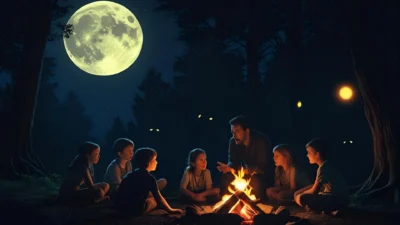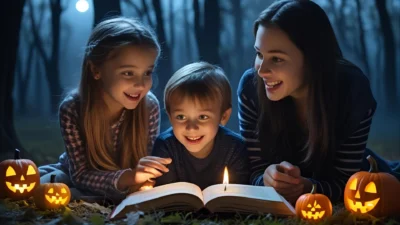
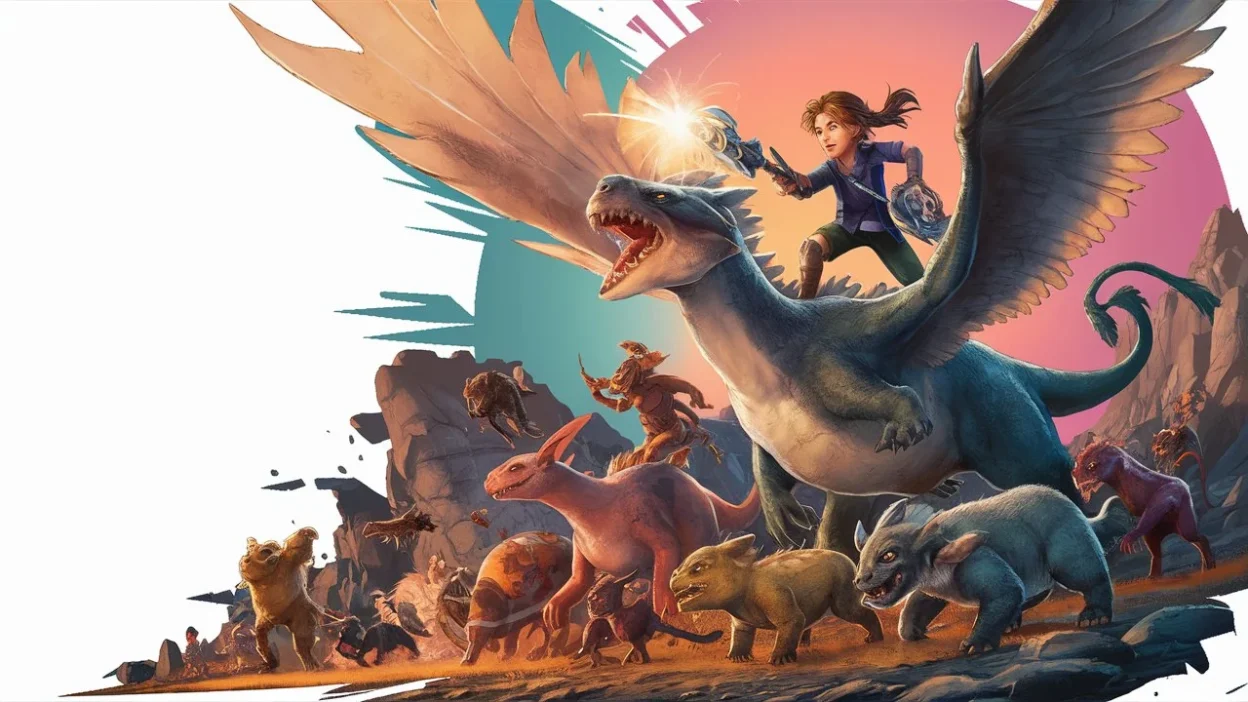
Sometimes adults like us need hot, trending, top-tier escapes — and that’s where monster hunter stories eggs come in. I still remember the first time I stumbled into this wild world. I was exhausted from real-life pressure, and suddenly I was chasing glowing eggs through dark forests and volcanic caves.
I laughed, panicked, and somehow survived. These monster hunter stories felt personal — like I was right there guarding the best wyvern nests, protecting rare monster eggs, and learning hard lessons along the way. So let’s sit together, you and I, and I’ll tell you these stories — real, raw, and unforgettable.
The Night I Carried the Azure Egg
I never expected to risk my life over a single egg, but that night changed everything. The village elder whispered about an Azure Rathalos egg hidden deep within the cliffs. I didn’t volunteer — I just… stepped forward before my brain could stop me. Maybe it was pride. Maybe it was stubbornness. Or maybe I wanted to prove that courage still meant something.
The cave was huge and breathing. Every drop of water sounded like a heartbeat. I found the egg resting in a nest of charred bones, glowing faintly like trapped lightning. The shell felt warm in my hands, almost alive. That’s when the air shifted, and the roar rose behind me like thunder tearing the world open.
The mother had returned.
I ran — not heroically — but desperately. Claws scraped stone behind me. Fire washed the walls. The egg grew heavier with every step, like it knew the danger. My lungs burned. My legs shook. I didn’t look back. I just trusted the rhythm of panic and hope in my chest.
At the final ledge, I jumped.
The Rathalos screamed above, but she didn’t follow. She hovered, watching, deciding whether I was thief or guardian. I bowed, holding the egg close, promising silently that I’d raise the hatchling well. Maybe she understood. Maybe I imagined it. But she let me go.
When the egg finally hatched, the tiny wyvern blinked at me with molten gold eyes. For the first time in years, I felt accountable — not to glory, but to life itself.
Moral: Real courage isn’t loud — it’s the quiet choice to protect what truly matters.
The Silent Valley of Broken Shells
I arrived in the Silent Valley after three days of travel, guided by rumors of stolen monster eggs. Hunters spoke of poachers stripping nests bare, selling rare hatchlings to the highest bidder. Adults like us know greed too well — it never arrives loudly. It creeps in quietly, disguised as opportunity.
The valley was scattered with shattered shells. Each fragment felt like a gravestone. I knelt, touching the edges, feeling heat and grief mingled together. The wind carried faint cries from deeper inside the canyon. I followed them, moving slowly, refusing to disturb the land more than it already had been.
Then I found them.
Three newborn wyvernlings, weak and trembling beside an empty nest. Their mother must have fought — the claw marks in the rock proved it — but she was gone. I remembered times in my own life when security vanished overnight. Loss is universal — even for monsters.
Carefully, I built a fire and mixed herbs. I fed them drop by drop, whispering calm words I wished someone had once spoken to me. At dawn, shadows moved along the ridge — the poachers returning. My anger burned, but I stayed still. Rage solves nothing. Strategy saves lives.
I used smoke and echo stones, making the canyon roar like a gathering pack. The poachers fled, convinced a nest-guarding elder dragon had awakened. When the valley settled again, the wyvernlings huddled against me, their tiny wings brushing my arms like shy apologies.
Weeks passed. They grew. And when they were strong enough, they left — not with ceremony, not with thanks. Just a final glance that said everything language couldn’t.
The valley became quiet again. But this time, it felt peaceful — not empty.
Moral: Sometimes healing means standing quietly beside the broken until they learn to stand alone.
The Golden Egg I Shouldn’t Have Taken
The market spoke of it in hushed tones — the golden egg hidden in the ruins beyond the dunes. They said it belonged to a legendary elder wyvern whose fire could melt stone. I should have walked away. Truly. But greed dresses itself as curiosity, and I convinced myself it was harmless.
The ruins felt ancient — sand swallowing history one grain at a time. I found the egg inside a cracked temple, resting on an altar of bones and flowers. It shimmered like captured sunlight. I touched it. Lifted it. Claimed it.
And the world punished me.
Storms rose. Sand ripped at my skin. Shadows circled overhead. I’d taken what wasn’t mine — not out of need, but desire. An old guilt surfaced — moments in my life where I’d chosen myself over others, and silence over honesty. This egg wasn’t treasure. It was truth.
At night, the elder wyvern descended. She didn’t roar. She didn’t attack. She simply landed before me, massive and ancient, her eyes reflecting my fear back at me like a mirror. I placed the egg on the sand and stepped away, bowing deeply, my chest aching with regret.
She nudged the egg closer, almost gently, then flew off with it — but not before staring at me one last time. Forgiveness is heavier than judgment. I carried that weight home.
I never chased gold again.
Moral: If your heart isn’t clean when you reach for something, you’ll never enjoy it — even if you win.
The Hatchling Who Chose Me
I wasn’t looking for an egg that day. I was only hunting herbs beyond the ridge when I heard the faint tapping. Buried under fallen leaves lay a cracked egg, abandoned — or forgotten. The shell pulsed weakly. Without thinking, I wrapped it in my cloak and hurried home.
All night, I kept the fire steady. I whispered stories. I told the unseen creature about fear, failure, and starting over. At dawn, the egg split, and a tiny wyvern tumbled into my hands — clumsy, blinking, alive.
I named him Ash.
Ash followed me everywhere. Training wasn’t easy. He broke tools, burned fences, and once swallowed my boots. But he listened. He learned. And in teaching him patience, I finally learned it myself. We hunted together — not for glory, but survival. Companionship changed how I moved through the world. I wasn’t alone anymore.
One evening, raiders attacked the village. Fire spread. Panic rose. Ash grew still — then roared with a voice I’d never heard. He didn’t destroy. He defended. Walls fell away from trapped villagers. Flames parted. He shielded the weak with his wings, refusing to abandon the land that had raised him.
When the danger passed, the villagers bowed to him — not as a beast, but as a guardian. Ash pressed his head against my chest, and I realized something simple: I hadn’t rescued an egg that night.
It had rescued me.
Moral: Sometimes the life you save becomes the reason you finally start living.
The Egg Beneath the Frozen Lake
I had hunted through deserts and jungles, but the cold changed me. The village requested that I recover a rare egg buried beneath the frozen lake. They believed the frost wyvern guarded it from thieves and fate alike. I agreed, because sometimes saying yes is easier than admitting fear.
We cut through the ice with quiet chisels, listening for hollow echoes. Beneath the fourth sheet of crystal, a faint glow pulsed like a heartbeat. The egg rested inside a cavity, surrounded by frozen bubbles, as if time itself was holding its breath. I slid a rope under my arms and lowered myself into the glacial water.
Cold is a truth teller. It stripped every illusion from my bones. My regrets, my pride, my loneliness, all surfaced like cracks in the ice. I reached the egg and lifted it carefully, surprised by the warmth radiating through my gloves. Above me, the rope jerked. The guardian arrived.
The frost wyvern circled the hole silently. Its wings scattered snow like feathers of winter. I did not hide. I simply rose from the water, the egg against my chest, and bowed. The wind stung my face, reminding me that survival is never guaranteed.
The wyvern studied me, then exhaled a plume of shimmering breath that sealed the cracked ice around us. It allowed me to leave, but I knew the permission was temporary. This egg was not a trophy. It was a promise.
Back in the village, I built an incubator of stone, coal, and patience. Nights were long. I listened to the lake shift and whisper outside my window. When the egg finally hatched, the hatchling’s cry sounded like breaking icicles and newborn hope.
I learned then that warmth matters most where the world is coldest. People sometimes think monsters guard eggs because they are dangerous. I realized the truth is softer. They guard them because everything fragile deserves a chance to begin. Adults like us forget that. We build armor around our hearts and call it strength. That night by the lake, I promised to stop freezing my feelings. I would protect the hatchling, yes, but I would also protect the parts of myself I kept buried under ice. When spring finally arrived, the lake cracked with music, and the young wyvern took its first flight across a sky that no longer felt empty. At last, I felt ready to live again.
Moral: Warmth becomes real only when we choose to share it.
The Forbidden Nest in the Canyon
I was warned never to enter the canyon at dusk, but warnings have a strange way of sounding like invitations. The cliffs bent inward like teeth, and the shadows closed behind me as if the world were swallowing my doubts. I had come for an egg rumored to belong to a thunder wyvern, a creature whose roar could fracture stone and memory alike. I followed the echo of distant storms until I reached a ledge overlooking a nest woven from iron thorns. The egg shimmered with caged lightning, each spark a reminder that power rarely arrives gently. I hesitated, because I knew that every choice in life leaves a mark, especially the ones fueled by hunger and need.
As I lifted the egg, the sky split open. The thunder wyvern descended in a spiral of blue fire and sound. I expected rage, but what I saw in its eyes was fear. Not of me, but of losing the last remnant of its lineage. In that moment I thought about the relationships I had damaged because I clung too tightly to what I loved.
So I returned the egg to the nest and stepped back until the wyvern’s wings stopped trembling. The storm faded, leaving a clean silence that felt like forgiveness. I left the canyon with empty hands and a lighter heart, finally understanding that possession is not the same as connection, and protection sometimes means letting go.
On the path home I began to notice small things I had ignored before: the smell of rain in dry earth, the patient way night settles over broken ground, the soft rhythm of my own breathing when I stop running from myself. I did not return as a hero. I returned as someone willing to face the hollow places inside and fill them with honesty instead of trophies. The villagers asked whether I had found the egg. I told them the truth, and to my surprise nobody mocked me. Instead they listened, perhaps recognizing their own losses in my story. We shared food, and the night filled with simple conversation instead of praise. I slept deeply for the first time in years. Somewhere beyond the ridges a thunderclap rolled, not in anger but in acknowledgment. I realized the canyon had given me something far greater than a relic. It had given me permission to choose peace. And I accepted that gift fully.
Moral: Letting go can be the bravest protection of all.
The Egg Trader’s Last Bargain
I once believed every problem could be solved with a fair price. Years of trading rare monster eggs across distant ports had hardened my conscience like dried leather. Buyers smiled, coins glittered, and I pretended not to notice the fear in the mothers’ eyes as I lifted their future from the nest. Profit is a gentle poison; you never taste the bitterness until it’s too late.
Everything changed when I accepted a commission for a supposedly infertile egg. The client wanted a centerpiece, nothing more. I stole it from a forgotten cave where water fell like silver threads. On the journey back, the shell began to pulse, faint at first, then steadily, like a second heartbeat under my ribs. I tried to ignore it. I failed.
That night I dreamed of the mother searching the cave, calling into the dark for a child that would never answer. I woke with salt on my cheeks and a heaviness I could not trade away. At dawn the egg cracked, and a trembling hatchling emerged, fragile and blinking, trusting the first face it saw. Mine.
I canceled the deal and vanished from the port before the client could protest. I built a quiet life inland, raising the creature with respect instead of greed. We learned from each other. I taught it restraint. It taught me remorse. In forgiving me, it revealed the person I had once hoped to become, before coins replaced compassion.
Sometimes I still hear the sea calling, promising easy money and the comfortable numbness that used to shield me from guilt. But then the grown wyvern curls around the house at night like a living fortress, and I understand value differently. No amount of gold can equal the privilege of being trusted by a creature who should hate me. I travel now only to protect nests from the thieves I once called partners, speaking softly to the mothers so they know they are not alone. Perhaps redemption is not a destination but a practice, renewed with every honest choice I make. At times I wonder whether the hatchling remembers the darkness of that stolen cave. If it does, it has chosen forgiveness over fear. I try to do the same. The world is still dangerous, but my intentions are no longer for sale, and that makes all the difference. I finally learned how to keep something without losing myself today.
Moral: True wealth is measured in trust, not coins.
The Egg Beneath the Old Temple Bells
I reached the abandoned temple at dawn, when the mist still clung to the statues like unfinished prayers. Locals swore that a ghostly monster guarded an egg beneath the cracked bells, punishing anyone who dared to covet it. I did not come to steal. I came seeking answers to a restlessness that followed me like a second shadow.
Inside, the bells hung silent, heavy with the weight of forgotten rituals. I descended stone steps slick with moss, guided by a glow that pulsed through the darkness. There, resting in a cradle of roots, lay the egg. Its surface reflected my face in warped fragments, showing versions of me I had avoided confronting.
A sound echoed then, not a roar but a low, sorrowful humming that vibrated through the pillars. The guardian emerged from the shadows, more spirit than flesh, its wings translucent like stained glass touched by moonlight. It did not attack. Instead it watched, and in that gaze I felt an invitation to be honest.
I knelt and confessed aloud the things I had hidden from even myself: the promises broken, the people I had drifted away from, the dreams I had buried under practicality. The temple did not judge. The guardian lowered its head, and suddenly the egg cracked open, revealing a delicate creature made of light and scales, blinking into existence.
It stepped toward me, warm as memory, and I realized the egg had never been a prize. It was a mirror. The guardian allowed me to hold the hatchling for a breath, then carried it upward toward the bells, where daybreak finally broke the mist. I left the temple lighter, aware that some treasures are meant only to teach us what we most need to see. Outside, the village was waking, ordinary and imperfect, and for once I did not feel the urge to run from my life. I sat by the well and listened to the first conversations of the day, simple exchanges about bread, weather, and work. They sounded like blessings. I understood then that meaning is not hidden in ruins or guarded by mythical beasts. It lives in the choices we make after the adventure ends, when no one is watching. I promised myself to speak more gently, to love more honestly, and to greet each morning as if it were hatching too. For the first time, I trusted being ordinary at last.
Moral: Some quests lead you home to yourself.
The Egg of the Desert Choir
The desert sings at night, or so the elders used to say. I never believed them until my hunt for the egg began. I had spent years chasing monster hunter stories eggs across continents, thinking knowledge alone would keep me safe. But the dunes changed rules and rearranged certainty. Wind erased footprints faster than I could make them, and every dune looked identical to the last regret I never resolved.
On the fourth night I heard it: a low, mournful humming like a choir trapped beneath the sand. I followed the sound until I reached a sunken crater where a single egg glowed softly. The shell was etched with faint lines, like a map of my own mistakes.
When I touched it, the humming stopped. Silence pressed in, heavy and expectant. Then the sand shifted and the guardian rose: a serpent of glassy scales and starlit eyes. It circled me slowly, tasting the truth of my intentions. I remembered every time I had taken more than I gave, every careless departure.
I dropped to my knees and admitted aloud that I did not deserve the egg, but I wished to become someone who did.
The serpent lowered its head and the egg pulsed again, this time in harmony with my breath. I wrapped it in cloth and carried it carefully across the dunes, guided by the same song, now gentle as forgiveness.
When the egg hatched, the hatchling sang with the wind, and the desert answered. Travelers still follow that music, believing it leads to treasure. It does, but not the kind that fits inside a purse. It leads to the version of yourself you are finally willing to become.
I built a shelter beside the old crater and vowed to protect any wandering life that sought refuge. The guardian visits sometimes, circling above like a silent blessing. On those nights I remember who I used to be, and I choose again not to return to that smaller self. The desert still sings, and at last I know the words.
They are simple, almost shy: keep your promises, share your fire, and listen when the world tells you to grow. I whisper them to the hatchling before sleep, and the melody carries across the sand. Somewhere, someone who feels lost hears the song and turns toward it, beginning a kinder hunt than mine once was. That is enough for me.
Moral: Becoming better is the greatest treasure the desert can give.
The Egg in the Clockmaker’s Loft
The city never slept, but I did, poorly, surrounded by ticking clocks in my loft workshop. Years of hunting monster hunter stories eggs had left me tired, so I mended gears instead of hearts. One stormy evening a courier delivered a sealed crate with no return mark. Inside lay an egg, pale as winter breath, humming in time with my largest clock.
I had promised myself never to care again, but caring doesn’t ask permission. I built a nest from soft cloth and brass shavings, turning the key each hour so the egg would not wake alone. Outside, thunder argued with the rooftops, while inside my chest a quieter debate continued: keep it, return it, or break the habit of abandoning anything fragile.
On the third night the egg cracked. A tiny dragonet emerged, wings like folded parchment, eyes bright as mercury. It crawled onto my shoulder and fell asleep, trusting me with reckless innocence. The ticking around us softened, as if time itself had decided to listen.
Days became weeks. Word spread quietly that a monster child lived above the clock shop. Neighbors brought bread instead of fear. They asked questions, laughed softly, and remembered their own lost tenderness. The city did not change overnight, but something in its heartbeat slowed to match mine.
One morning the dragonet spread its wings and shattered the skylight. I watched it whirl into the dawning sky, joy and grief braided together. When it returned, larger and fierce, it perched atop the tower clock, guarding the square with patient eyes.
People say the timepiece runs more gently now. They credit my craftsmanship, yet I know the truth: the city remembers kindness, and so do I. Whenever the bell tolls, I feel the echo of that first heartbeat in a wooden crate, reminding me that caring is a risk worth taking, again and again.
At night I polish gears and whisper stories into the rafters, hoping the dragonet, wherever it flies, can still hear. The words follow the wind, weaving through alleys and lamplight. Strangers pause, sensing something gentle and unseen. Perhaps that is my real craft now: repairing the delicate cogs inside weary hearts. I wind the clocks, open the windows, and allow life to arrive as unexpectedly as that egg once did. Time moves, yes, but it no longer leaves me behind. Instead it walks beside me, patient, forgiving, awake, and kind.
Moral: Caring may break your heart, but it also teaches it how to beat.
The Egg Carried by the Tide
I found the egg on the shoreline at dawn, half buried in seaweed and foam. Waves nudged it like a stubborn memory refusing to leave. Years of wandering after monster hunter stories eggs had taught me caution, yet this one felt different. It was warm, pulsing in rhythm with the tide, as if the ocean itself had given birth.
I carried it to a cliff hut abandoned by fishermen. Salt air slept in the rafters, and gulls screamed like restless thoughts. I lit a small fire, brewed tea, and watched the shell shimmer with colors I had no names for. That namelessness softened me. Not everything needs labeling to be loved.
On the second evening the storm arrived, hauling walls of water against the coast. The egg trembled. I wrapped it in blankets and sang a tune my mother once used to calm my fear. The sea answered, not with anger but with a steady pulse, like a great heart guiding smaller ones.
At dawn the egg split and a sleek water dragon emerged, skin like wet stone, eyes bright as sunrise on the waves. It curled around my wrist and listened as I apologized for every reckless hunt that had forgotten the cost.
In the weeks that followed the creature guided lost boats back to harbor, lifting them gently from hidden reefs. Fishermen began leaving offerings of shells and bread on the shore, whispering thanks to the tide’s child. I stayed in the hut, content to mend nets and read the changing sky.
One evening the dragon carried me far beyond the headland, where the stars dipped their feet into black water. There I understood something simple: the sea had returned what loneliness had stolen. When we turned back, I felt no hunger for treasure, only gratitude for the rhythm that kept us afloat.
Even now I wake before sunrise to greet the waves. If the dragon hears my voice it circles once in greeting and vanishes beneath the foam, reminding me that every gift belongs first to the world, and only then to us.
That lesson flows through my veins like salt, steady and honest. I write these words for anyone still searching the horizon for answers. Sit with the tide. Listen. Let yourself be carried for a while. You may find the egg you need has already washed ashore inside your chest, waiting for the courage hatch.
Moral: Gifts from the world must be held gently, then released.
The Egg of the Sleeping Mountain
The mountain slept, or so the miners said. Steam curled from cracks like tired sighs, and the ground pulsed with buried heat. I arrived carrying old guilt and a new map, chasing whispers of a final egg hidden near the molten heart. After years of monster hunter stories eggs, I believed I understood risk. I was wrong.
The descent led through narrow tunnels where walls glittered with trapped light. My thoughts echoed louder than my footsteps. I reached a chamber shaped like a vast cradle. At its center lay the egg, veins of fire threading the shell like restless rivers. Heat rolled over me, peeling away pretense.
As I stepped closer the mountain shuddered. Lava lapped the stone rim, and the guardian emerged, enormous, ancient, its wings carrying the weight of seasons. It did not threaten. Instead it stared until every excuse I had ever made crumbled into dust.
I confessed that my hunts had been driven by fear of becoming ordinary. The guardian lowered its head, nudging the egg toward me. The message was simple: transformation happens not through conquest, but through responsibility.
I lifted the egg and the mountain calmed, as if relieved. I built a stone shelter near the rim, spending weeks tending the fragile life I had chosen. When it hatched, the hatchling’s glow softened the cavern, turning fear into warmth.
Word spread. Miners began leaving offerings of water and bread at my door. We formed a quiet community, united not by profit but by care. The guardian watched from the high ledges, patient and sure that this time the egg would grow without being stolen.
Eventually the mountain opened small vents of cool air, like contented breaths. I realized then that places heal just as people do when we choose protection over possession. I stayed, no longer a restless hunter, but a guardian learning daily how to be gentle with fire.
Sometimes travelers arrive asking for maps and secrets. I offer tea, a place to rest, and stories instead. They leave lighter, carrying nothing but the courage to face the volcanoes within their own chests. At night the hatchling curls beside the hearth, and the mountain hums a lullaby older than fear. I fall asleep grateful for the silence I once dreaded, now tender, alive, and whole.
When morning comes I greet the steam like an old friend and thank the earth for trusting me.
Moral: Real strength is protecting what you once tried to possess.
Conclusion
These monster hunter stories eggs remind us that the rarest discoveries are not the shells we collect, but the courage, honesty, patience, and compassion we hatch inside ourselves.
Whether the egg lies beneath waves, in clock towers, deserts, or mountains, the lesson remains the same: protect what is fragile, let go of greed, and choose kindness even when no one is watching.

I am Beatrix Potter, a storyteller who loves bringing the wonders of nature, imagination, and gentle magic to life. Through my stories, I share worlds filled with curious animals, quiet countryside adventures, and the kind of simple beauty that warms the heart. Here on magicstoris.com, I continue to inspire readers of all ages with tales that celebrate kindness, creativity, and the timeless joy of storytelling.