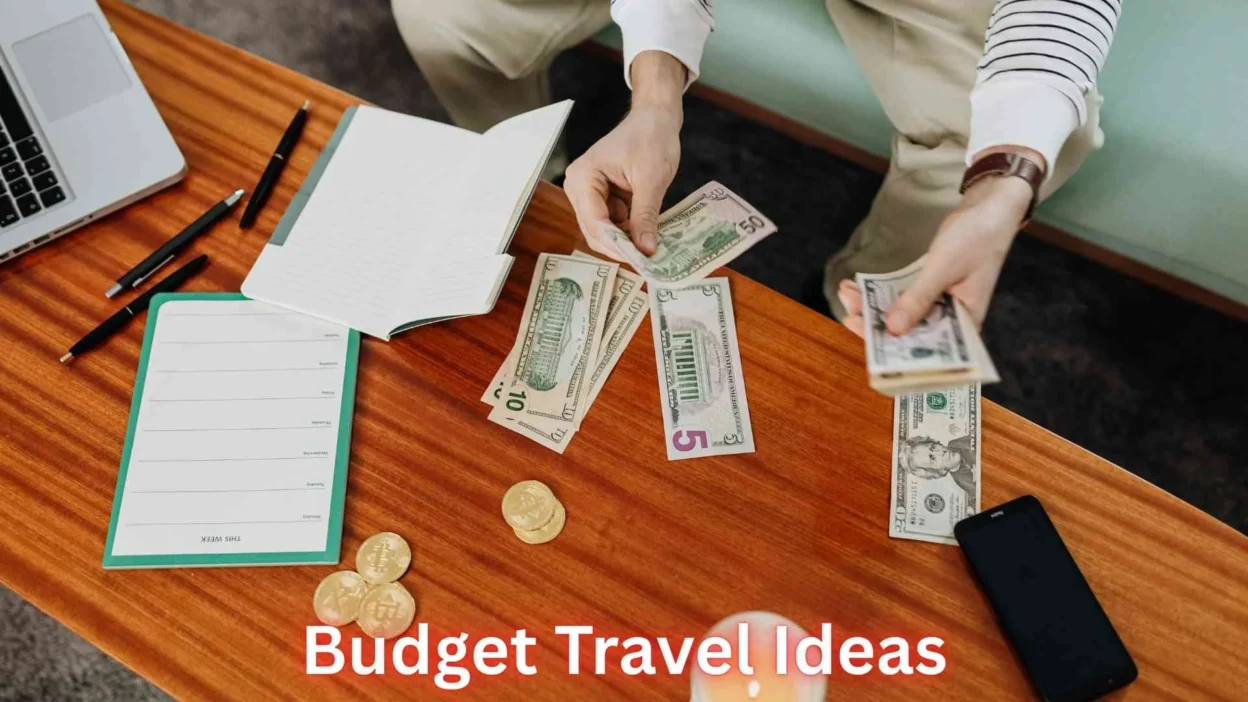
Traveling is one of the most exciting experiences in life, but many people think it is expensive. The good news is that you can see amazing places and have unforgettable adventures without spending a fortune. Budget travel is all about planning smart, finding deals, and enjoying experiences that don’t cost much. Whether you want to explore cities, nature, or beaches, these tips and ideas will help you travel more while spending less.
1. Choose Affordable Destinations
Where you travel has a big impact on your budget. Some countries and cities are much cheaper than others, so picking the right destination is key.
- Look for Cheap Countries: Countries in Southeast Asia, Central America, and Eastern Europe are often affordable for food, hotels, and activities.
- Avoid Peak Seasons: Traveling during off-season means cheaper flights and accommodations.
- Small Towns and Cities: Big cities can be expensive. Smaller towns often have more budget-friendly options.
- Local Experiences: Visiting local markets, parks, and free attractions saves money.
- Research Costs: Check average prices for food, transport, and activities before you go.
Choosing the right destination makes budget travel much easier and allows you to enjoy more without worrying about money.
2. Find Cheap Flights and Transportation
Flights are usually the most expensive part of a trip. With some planning, you can find great deals and save a lot.
- Use Flight Comparison Websites: Tools like Skyscanner or Google Flights show the best prices.
- Book Early: Booking flights a few months in advance can save money.
- Flexible Dates: Traveling mid-week or during less popular times often costs less.
- Public Transport: Buses, trains, and subways are cheaper than taxis and ride-shares.
- Walk or Bike: Exploring on foot or by bike saves money and gives a better experience.
By planning your transportation carefully, you can reduce costs and still reach amazing destinations.
3. Save Money on Accommodation
Hotels can be expensive, but there are many budget-friendly alternatives.
- Hostels: Great for solo travelers or young tourists. They are cheap and social.
- Guesthouses and Inns: Often more affordable than hotels and provide a local feel.
- Vacation Rentals: Websites like Airbnb can be cheaper if you stay longer.
- Camping: If you enjoy nature, camping is very cheap and fun.
- Stay Outside the City Center: Hotels in suburbs or nearby towns are often cheaper than downtown.
With the right choice, you can stay comfortably without spending too much.
4. Eat Well on a Budget
Food is an important part of travel, but eating out at restaurants all the time can be expensive.
- Street Food: Local street food is cheap, delicious, and a great way to try local cuisine.
- Cook Your Own Meals: If your accommodation has a kitchen, buying groceries and cooking saves money.
- Lunch Specials: Many restaurants offer cheaper lunch menus than dinner.
- Avoid Tourist Areas: Food near main attractions is usually expensive. Explore neighborhoods where locals eat.
- Pack Snacks: Carry water, fruit, and small snacks while sightseeing to avoid buying costly items on the go.
Eating smart helps you enjoy local flavors without overspending.
5. Enjoy Free or Low-Cost Activities
You don’t need to spend a lot to have fun while traveling. Many attractions are free or inexpensive.
- Free Walking Tours: Many cities offer free guided tours—just tip what you can.
- Parks and Nature: Beaches, mountains, and public parks are free to enjoy.
- Museums and Galleries: Some museums have free entry days or discounted tickets.
- Cultural Events: Festivals, markets, and street performances often cost nothing.
- Sightseeing on Foot: Exploring a city by walking allows you to discover hidden gems for free.
Low-cost activities can be just as memorable as expensive ones and give a richer experience.
6. Travel Light and Smart
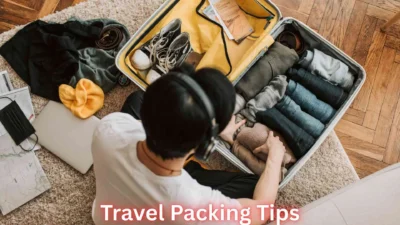
Packing smart helps you avoid extra costs and makes travel easier.
- Carry-On Only: Avoid checked luggage fees by packing light.
- Pack Versatile Clothes: Choose clothes you can mix and match.
- Bring Essentials: Water bottle, snacks, and travel-sized toiletries save money and trips to stores.
- Reusable Items: Shopping bags, utensils, and bottles reduce costs and waste.
- Travel Insurance: Even on a budget, insurance can save you from unexpected expenses.
Traveling light keeps costs low and makes moving between destinations easier.
7. Use Discounts and Travel Apps
Technology can help you travel more cheaply and efficiently.
- Travel Apps: Apps like Hopper, Kayak, and Skyscanner find cheap flights.
- Discount Cards: Some cities offer tourist cards with free or discounted entry to attractions.
- Student or Youth Discounts: Check if you qualify for special rates.
- Online Coupons: Websites and apps often have deals for restaurants, activities, and hotels.
- Local Advice: Ask locals or hostel staff for tips on cheap or free experiences.
Using discounts and apps helps you get the best value for your money.
8. Plan Your Itinerary Carefully
A well-planned itinerary can help you avoid wasting money and time.
- Prioritize Attractions: List what you really want to see to focus on important experiences.
- Group Activities Nearby: Save transport costs by visiting places that are close together on the same day.
- Check Opening Hours: Avoid extra costs from missed tickets or long waits.
- Mix Free and Paid Activities: Balance expensive attractions with free experiences to stay on budget.
- Allow Flexibility: Leave room for spontaneous, inexpensive adventures.
Planning smart lets you enjoy more while spending less.
Conclusion
Budget travel is possible for everyone if you plan wisely and make smart choices. By picking affordable destinations, finding cheap flights and accommodation, eating wisely, and enjoying free activities, you can travel the world without overspending. Travel light, use discounts, and plan your itinerary carefully to make every trip fun, safe, and memorable. With these budget travel ideas, you can explore new places, learn about different cultures, and create amazing experiences without breaking the bank.